Expected impact
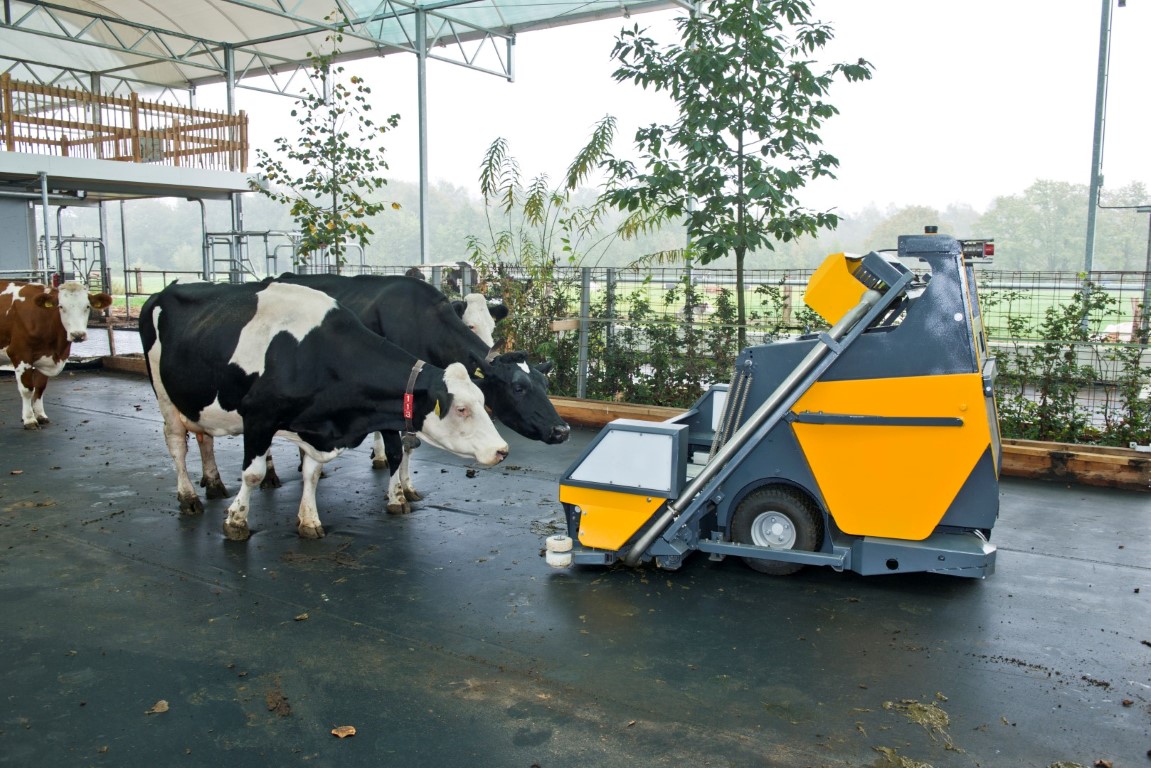 Expected impact. The project plans to measure and demonstrate a reduction of GHG emissions on a
European network of field study farms. The reduction will be on average equal to the EU’s emission reduction goals
set for 2030. This will be achieved at a farm level by a combination of awareness raising, application of NPC tools,
and implementing new techniques and practices. The most promising farm systems will be designed for different regions
combining a viable economic and social future with a reduction in GHG emissions. The approach will be highly
innovative, using ICT elements of NPC- and foot print tools, manure robots for precision cleaning, a cow toilet
to experimentally separate urine and faeces, and a variety of innovative measurement approaches and sensors.
Know-how on NPC and feed print tools, emission factors and climate care cattle rearing systems will be reported
through contributions to the scientific literature and communicated with policy stakeholders. The fact that a group of
62 field study farms around Europe is able to accomplish the EU mitigation targets within a limited number of
years will be likely to achieve significant global attention and impact. Thus, this project will impact on farmers’
and their directly related business contacts ‘awareness, attitude, and practices, and improve the body of scientific
and practical knowledge on solutions to reduce GHG emission, while increasing insight in the socio-economic and
environmental effects.
Expected impact. The project plans to measure and demonstrate a reduction of GHG emissions on a
European network of field study farms. The reduction will be on average equal to the EU’s emission reduction goals
set for 2030. This will be achieved at a farm level by a combination of awareness raising, application of NPC tools,
and implementing new techniques and practices. The most promising farm systems will be designed for different regions
combining a viable economic and social future with a reduction in GHG emissions. The approach will be highly
innovative, using ICT elements of NPC- and foot print tools, manure robots for precision cleaning, a cow toilet
to experimentally separate urine and faeces, and a variety of innovative measurement approaches and sensors.
Know-how on NPC and feed print tools, emission factors and climate care cattle rearing systems will be reported
through contributions to the scientific literature and communicated with policy stakeholders. The fact that a group of
62 field study farms around Europe is able to accomplish the EU mitigation targets within a limited number of
years will be likely to achieve significant global attention and impact. Thus, this project will impact on farmers’
and their directly related business contacts ‘awareness, attitude, and practices, and improve the body of scientific
and practical knowledge on solutions to reduce GHG emission, while increasing insight in the socio-economic and
environmental effects.
 The project targets the call holistic theme by covering the whole cattle farm, the technical theme by applying tools
and innovative techniques to deal with emissions, and the societal theme by simulating and evaluating the
socio – economic impact of the various practices and techniques integrated in promising future farming systems,
adapted to local circumstances. The consortium and network of farmers will serve as ambassadors for climate
innovative efficient farming.
The project targets the call holistic theme by covering the whole cattle farm, the technical theme by applying tools
and innovative techniques to deal with emissions, and the societal theme by simulating and evaluating the
socio – economic impact of the various practices and techniques integrated in promising future farming systems,
adapted to local circumstances. The consortium and network of farmers will serve as ambassadors for climate
innovative efficient farming.
Open field days, agro-days, farmer magazine articles, audio-video material, practice abstracts and social media will be applied to spread the message at local level, while conference seminars and scientific articles are planned to spread the message within the science community.